
Hospitality · UAE
 Thanjai
Thanjai is the portfolio's restaurant business: South Indian and Tamil cooking in Dubai and Ajman, run under the Thanjai Elite Restaurant name.
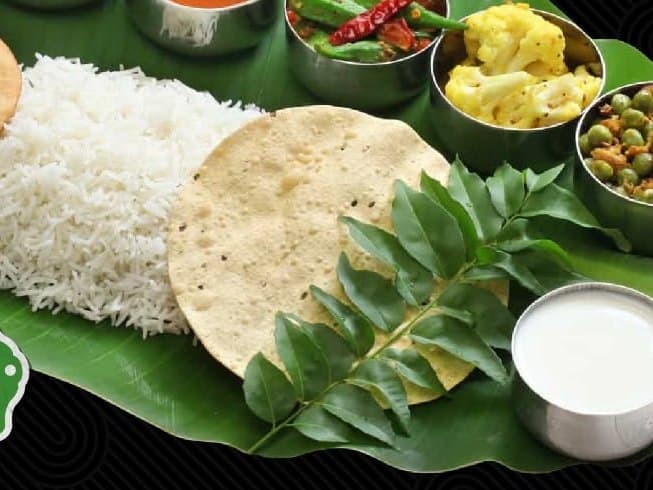
The name comes from Thanjavur, the Tamil city known for its temples and its rice. Thanjai's kitchens cook the way that part of the country eats: biryani and rice plates, parottas, dosas, thalis and slow-cooked meat curries, served on a banana leaf with poori, pappadam and a row of small dishes. The menu does not stop there. Its own photography also shows mutton rogan josh and schezwan chicken noodles, the North Indian and Indo-Chinese plates a busy Gulf restaurant is asked for.
The brand lists three restaurants: Hor Al Anz in Deira, Jebel Ali Industrial 1, and one in Ajman. They offer dine-in, takeaway and delivery, and orders are also placed on the restaurant's own site. Two licensed companies carry the name in the portfolio, Thanjai Elite Restaurant L.L.C and its registered branch, each holding its own UAE licence.
The brand's own material is set in three scripts. The lockup puts THANJAI ELITE in green and RESTAURANT LLC in orange beside the same name in Arabic, with a crossed spoon and fork in an orange badge and a line reading Since 2013. In the menu creatives, English headline copy runs beside small green paper tags printed in Tamil, so the food is named to Tamil-speaking customers in their own script.
Hospitality is a different discipline from technology or real estate, and Thanjai is run as one: the same menu, cooked the same way, in every room and at every service. The badge on the lockup dates the business to 2013, which places it alongside You & Me at the beginning of the portfolio's history. The portfolio's earlier hospitality in Dubai ran through New Elite Cafeteria L.L.C, formerly Fresh Mind Cafetaria; licence details for both Thanjai companies are listed under corporate information.
Capabilities
The kitchen
- Biryani and rice plates
- Parottas, dosas and thalis
- Home-style meat curries, including mutton masala and mutton rogan josh
- Indo-Chinese dishes, including schezwan chicken noodles
- Banana-leaf meals with rice, poori, pappadam and small curries
- Dosas served with sambar and chutneys
Service and locations
- Dine-in, takeaway and delivery
- Orders taken on the restaurant's own site
- Hor Al Anz, Deira (Dubai)
- Jebel Ali Industrial 1 (Dubai)
- Ajman
Milestones
- 2013Thanjai's lockup carries a badge reading Since 2013. The date is the brand's own statement rather than a licence record, and it is published here as the brand states it.
- Two licensed companiesTwo licensed companies carry the Thanjai name in the portfolio, Thanjai Elite Restaurant L.L.C and its registered branch, each holding its own UAE licence. The licence numbers are listed under corporate information.
- Three restaurantsThe brand's own ordering site and Instagram account list restaurants at Hor Al Anz in Deira, at Jebel Ali Industrial 1 and in Ajman.
- Earlier hospitalityThe portfolio's other hospitality company in Dubai is New Elite Cafeteria L.L.C, earlier named Fresh Mind Cafetaria, recorded as hospitality history.
From the kitchen
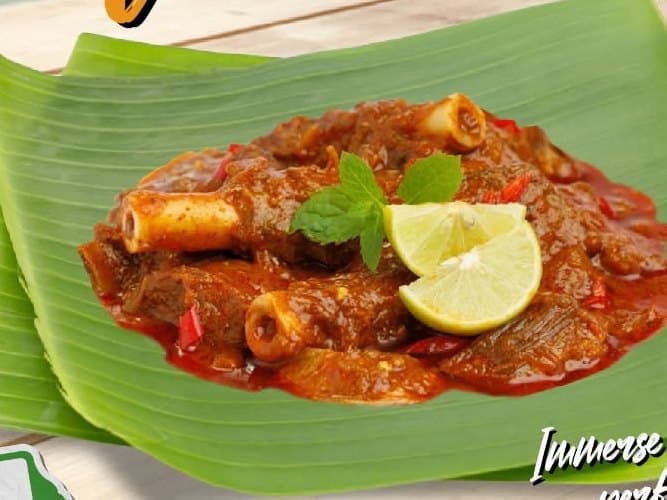
Mutton masala. 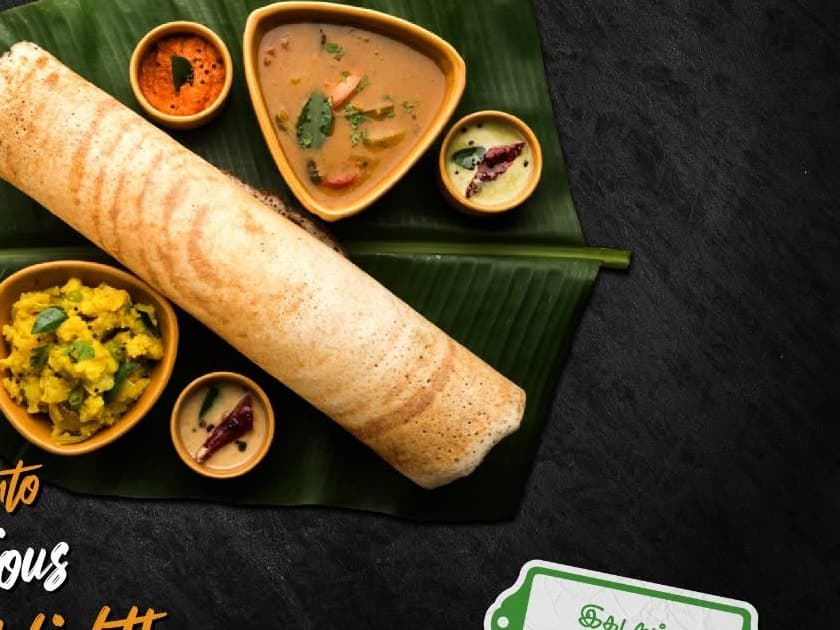
Dosa with chutneys. 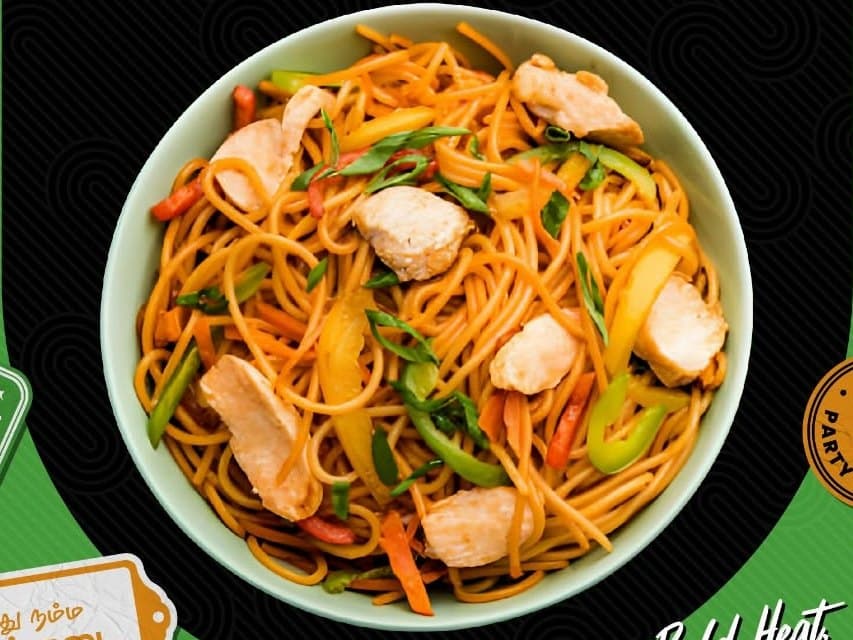
Schezwan chicken noodles. 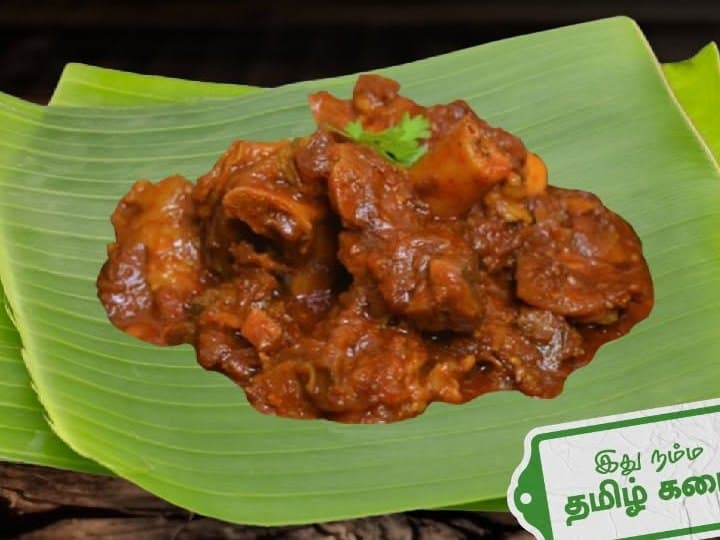
Mutton rogan josh.
Reading on this sector
More food guidesChettinad and Thanjavur: two Tamil kitchens, two different plates
How Chettinad's dried, trade-built pantry, kalpasi, marathi mokku and star anise among them, differs from the rice and coconut cooking of the Cauvery delta at Thanjavur, and which of those ingredients India's Spices Board actually recognises.
6 min read
How Ambur, Dindigul and Thalappakatti biryani differ
Ambur, Vaniyambadi and Dindigul each claim a distinct biryani, and the Dindigul-born Thalappakatti chain has taken one version nationwide. This covers the rice, the masala base, the cooking claims and the histories behind each, and what a missing GI tag means for all three.
6 min read
Sambar, rasam and kuzhambu: three things that get confused
Sambar, rasam and kuzhambu are often used as if they mean the same wet, tamarind-based side dish. This sets out the base of each, where toor dal actually goes in, how the tempering differs, and which one is not a kuzhambu at all.
6 min read
South Indian filter coffee: the decoction, the ratio, the pour
How the two-tumbler filter, the chicory blend regulated by food safety law, beans from two Western Ghats districts and the davara pour combine to make South Indian filter coffee taste the way it does.
6 min read
The order of a banana leaf meal
Why pickle sits on the left of the leaf and payasam waits until the end, what the leaf's tapering tip signals to the diner, and how the order of a Kerala sadya changes between Travancore and Malabar households.
6 min read